The Presidential Committee on Pay is evaluating salaries and will publish its decision in early 2023.
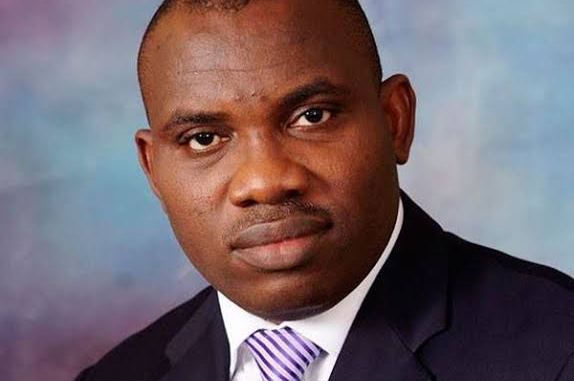
Chris Ngige told State House media following a closed-door meeting with President Muhammadu Buhari (ret.)
Ndiigboworldwide reports that the FG will raise civil officials' pay to combat inflation.
Yes, Ngige responded, the Presidential Committee on Salaries is working with the National Salaries, Incomes, and Wages Commission. The commission's enabling legislation requires it to set non-public sector salaries, wages, and emoluments.
"They'll help private sector clients, too." They have a compensation "template." If you work, you're paid; if not, you're not.
"They have the matrix to evaluate, so they're working with the Presidential Committee on Salaries, chaired by the finance ministry, and I'm the co-chair to look at worker demands." I also said evaluation conversations are ongoing.
"As we enter the new year, the government will make some statements in that regard," the former governor stated.
Ngige was at the State House to brief the President on his ministry's 2022 initiatives.
"I came to brief the president," he said. We must thoroughly examine 2022 before the year ends. My ministry discusses labour issues and what we can do. We analyse the country's job status and what we've accomplished.
"Employment is high, and we have several policies; I must inform him about the best."
"We got a productivity briefing on 2022's industrial battles."
Citing the ASUU strike, sister union action, and doctor strikes, he called 2022 "a year of industrial dispute."
He said the private sector managed its affairs better, probably because its audit covers its finances and administration.
"Collective negotiating was easy for them" Banking, food, drinks, finance, and insurance—everywhere
So, calm. Because of government budgets, we lacked tranquilly.
"But I've briefed him; the Presidential Committee on Salaries is reviewing salaries, and negotiations are ongoing." Doctors, the health ministry, and public sector insurers are debating, and there is quiet.
"I hope the government can do something in the future year," he said.
When asked about the FG's position on the eight months' unpaid salary due to public university teachers, he stated the subject is still pending correct interpretation of the Trade Dispute Act as it relates to the no-work, no-pay policy the FG took during the strike.
"ASUU has not said anything about their salaries because it's one of the issues referred to the National Industrial Court for determination, whether a worker on strike should be paid in violation of Section 43 of the Trade Dispute Act, which says when you go on strike, you won't be paid for not going to work to help your employer keep the industry or enterprise afloat.
This money and compensation shouldn't be given. In Section 43 (1).
Section 43 also states that your strike time won't count toward your pensionable years of service. "That leg, the government hasn't touched it, but the strike triggered no-work, no-pay," Ngige said.
The labour ministry has asked the court to review the relevant constitutional sections, he said.
So "the matter is out of the executive's hands, that is us, and in the judiciary's." ASUU defended itself in court, saying "Yes, we went on strike, but we had a reason." So the court must decide."