
It was stated that 11 attacks were only registered in the state of Imo.
This was reported by the Chief Press Secretary to the Chairman, Rotimi Oyekanmi, during a virtual conference organised by the International Press Centre with the assistance of the European Union Support to Democratic Governance in Nigeria.
The purpose of the meeting was to improve journalists' conflict-sensitive reporting skills prior to the general election.
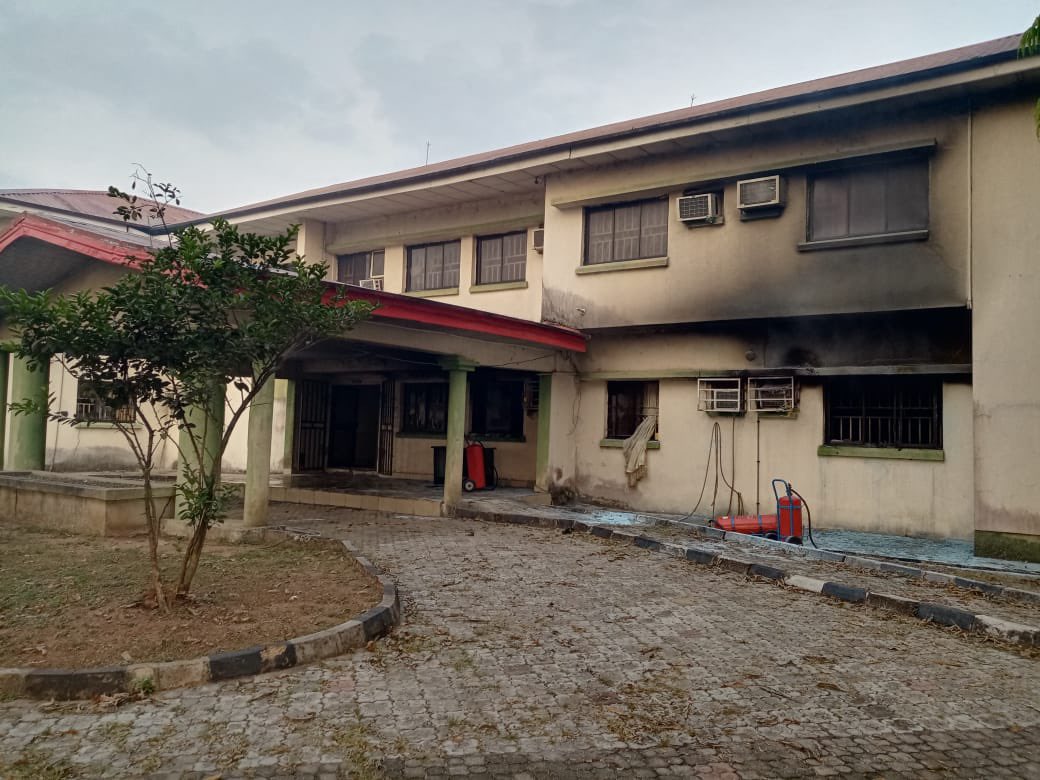
Between 2019 and last year (2022), 50 unprovoked attacks on our offices resulted in the loss of numerous employees.
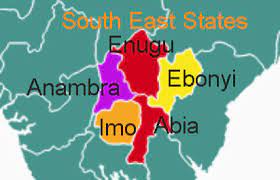
In 2020, there were 22 unprovoked attacks, followed by 12 in 2021 and eight in 2022. The attacks were distributed over the states of Osun, Ogun, Lagos, Ondo, Bayelsa, Abia, Enugu, Akwa Ibom, Cross River, Anambra, Ebonyi, Kaduna, Taraba, and Borno. "Eleven of these attacks occurred in Imo," he stated.
Oyekanmi stated that the success of the election depended on the cooperation of the media.
He continued, "Eighteen political parties are fielding a total of 15,333 candidates for all available polls, and elections will be held in 1,491 constituencies.”
"There are currently 93.4698 million registered voters.” These voters are registered in 176,846 polling places around the nation."
He revealed that the committee is not concerned with the racial or religious backgrounds of registrants, but rather with bolstering democracy.
"By introducing religion and ethnicity, you place the INEC employees in a precarious position.” "When you report facts, you help the commission, but when you report incorrectly, you potentially put the lives of our employees in danger," he warned.
Dr. Rukayatu Aliyu, a lecturer at Bayero University, Kano, stated that the media plays a crucial role in maintaining a calm election campaign.
Yunusa Zakari, executive director of the Centre for Information Technology and Development, stated that the media must distinguish between hate speech and sensitive information.
(Source: punchng.com)