A lot of people from the area have been taken to hospitals and are getting care in different hospitals around the state.
Official reports say that 30 people were taken to the hospital, but people in the area say that the number may be higher.
On Sunday, the state government sent a State Rapid Response Team to the area to help get things under control.
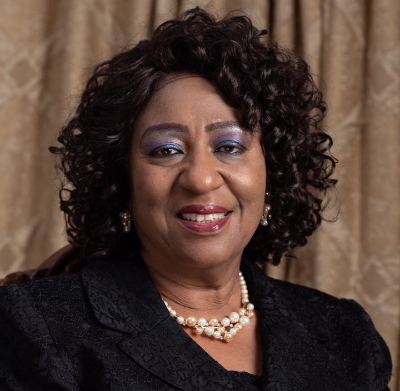
The State Department of Health and the National Center for Disease Control (NCDC) sent a team to the community. The Chairperson of the local government, Uchenna Ibiam, led the team.
The head of the council talked to the village heads, men, women, and young people of the Akpoha community. He was worried about the sudden deaths, some of which were children.
He told the people in the area not to worry because things are under control.
He praised the state government for acting quickly and, in particular, for sending the Rapid Response Team to help the health workers in Akpoha get the situation under control.
He also told people in the area to follow the advice of doctors and other health professionals to stop the outbreak.
Mr. Ibiam went to see the victims in Akpoha's hospitals and promised to drill four solar boreholes (two per ward) within two weeks so that they could get clean water.
Mr. Ibiam said that the purpose of his visit was to help the people in the area feel better about themselves and to let them know that the government was ready to help save their children from dying from cholera and other diseases.
The chairperson also gave out foam, cleaning supplies, and cash to the people as a way to help.
People in the area thanked Mr. Ibiam for quickly figuring out what was going on and giving them reasons not to give up.
Three weeks ago, five people died in a similar situation in the Ezillo community in the Ishielu Local Government Area of the state.
A health expert from the state Ministry of Health, who spoke on the condition of anonymity, said that the state's constant outbreaks are caused by people defecating in the open and not having clean water in most rural areas.
He asked that his name not be used because he doesn't have official permission to talk to the media about the situation.
But he urged the state government to find a long-term solution to the constant lack of water in the state and to start building toilets in rural areas.
He said that the government's failure to provide basic services puts the lives of innocent Ebonyi people at risk.
(Source:www.premiumtimesng.com)