The recent spate of flooding has left the country counting losses since early October, as over 2.5 million people are affected, out of which 1.3 million are displaced, 2,407 are injured, and 603 persons are dead across 25 states that are hard hit by the natural disaster.Flooding in Nigeria has so far been treated as an isolated environmental challenge occasioned by climate change while largely downplaying its socio-political effects and, if at all, highlighting the economic costs. Implication of the floods on the 2023 ElectionsAnalysts, academics and policy experts have expressed concern for the herculean task of the Independent National Electoral Commission (INEC) in administering the polls with the current security challenges. INEC's management has not shared any plan to amend its preparations for the elections to deal with the floods. This would be a disaster for several reasons. INEC has been blamed in the past for the delay in delivering electoral materials to polling units.
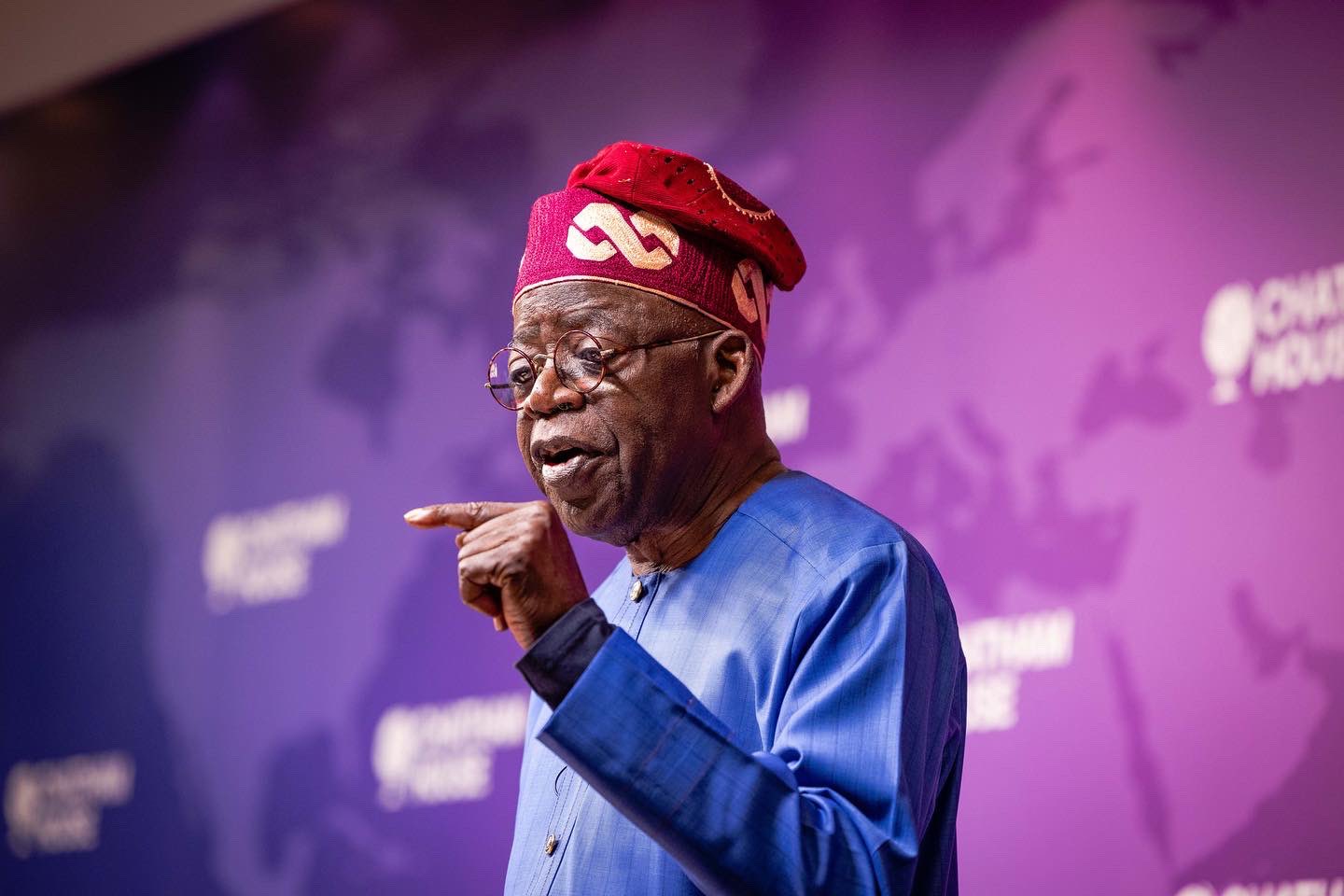
In coastal states, around the South-south and near the Rivers Benue and Niger, the destruction of road infrastructure could hamper preparations. The aftermath of the floods is likely to affect the socio-political environment in which these polls will be conducted. There is an established correlation between poverty and vote buying, which could be exacerbated by the grave reality – 76,168 hectares of farmland partially destroyed and 70,566 hectares completely destroyed. Frontline candidates Bola Ahmed Tinubu of the APC, Atiku Abubakar of the PDP and Peter Obi of the Labour Party have joined the discourse on climate change. The INEC should make more robust preparations to ensure next year's polls are held in a manner that does not risk affecting the legitimacy of the outcome. One of the major changes to the political environment is an increasing focus on the impact of climate change in Nigeria.